Mountain Hikers

Dayara Bugyal Trek in July

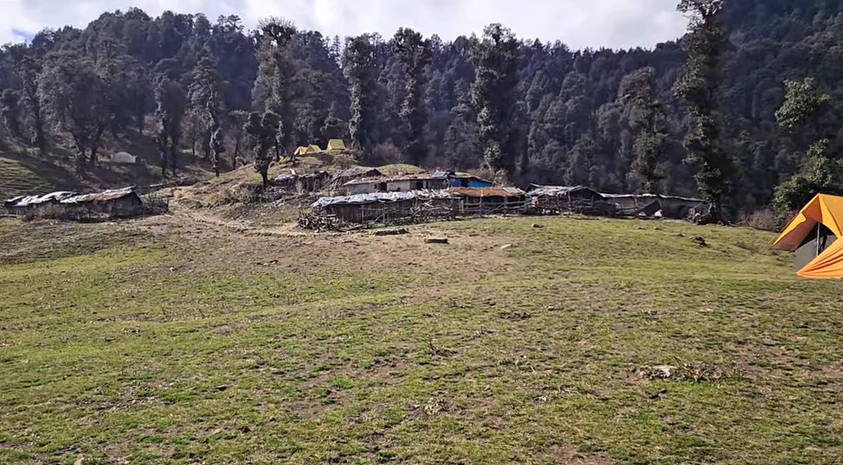
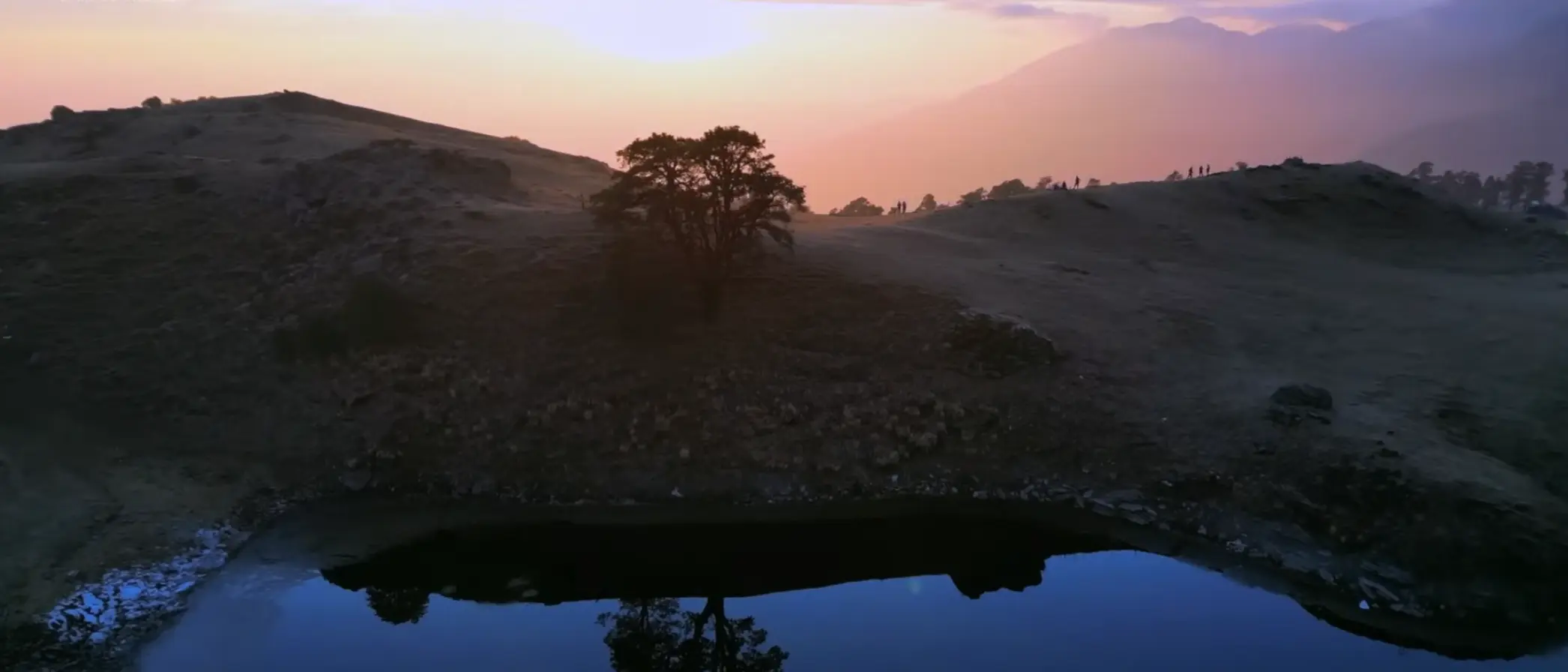
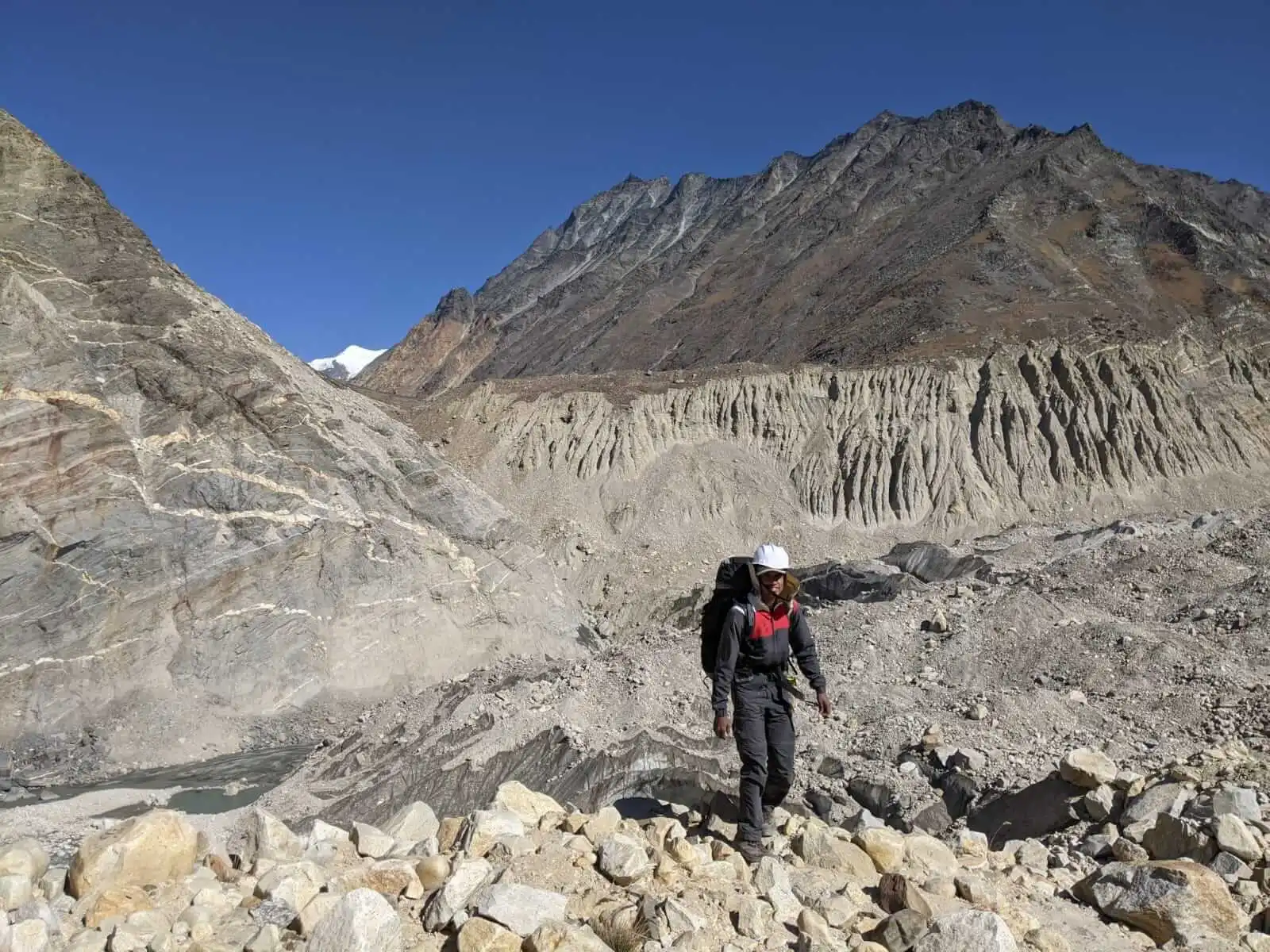
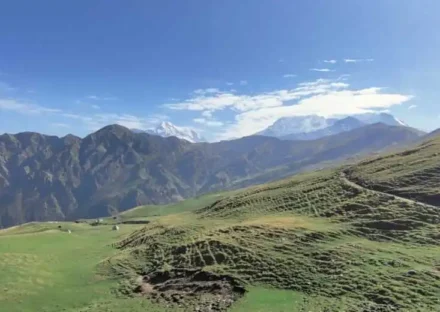
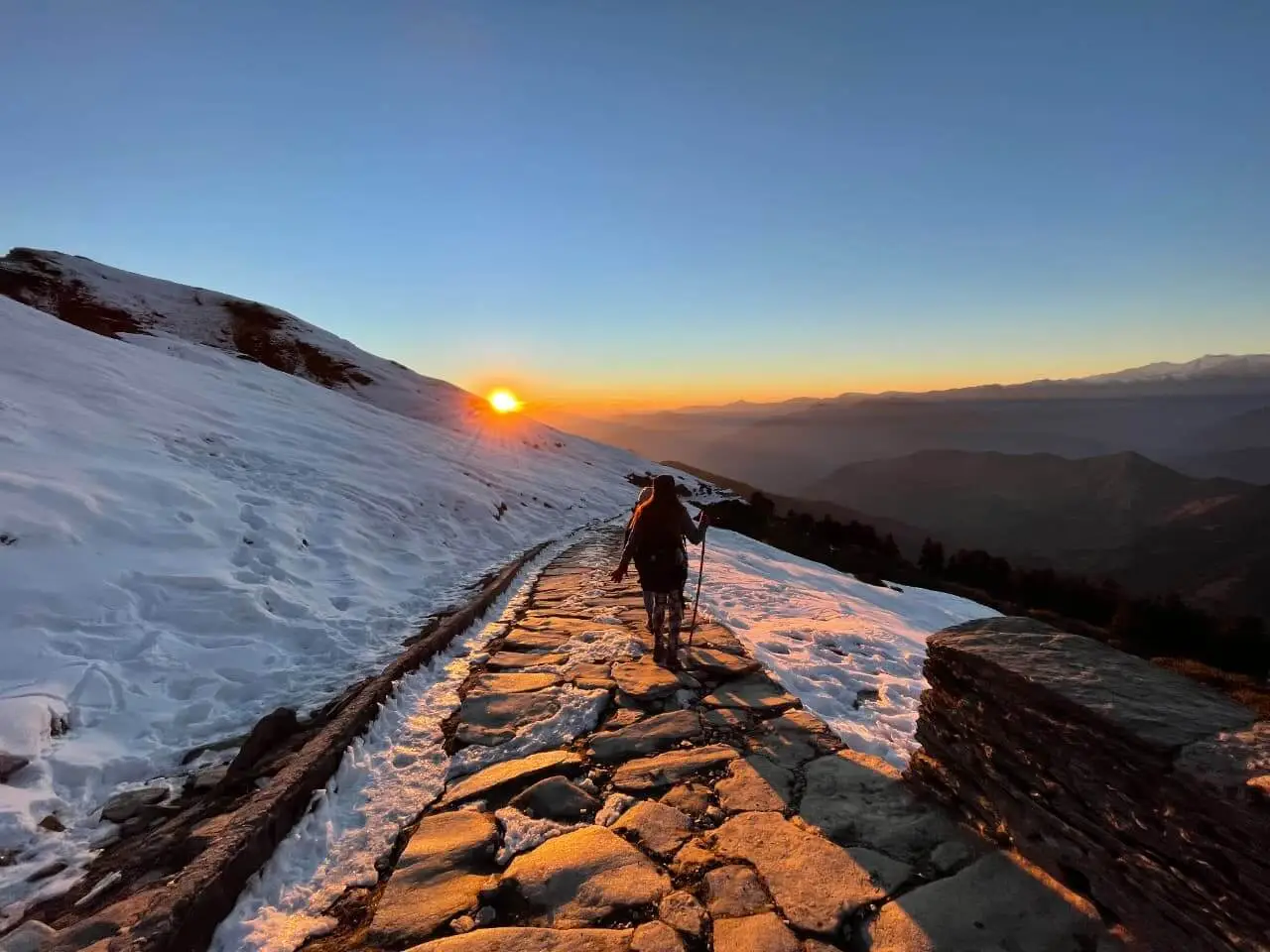
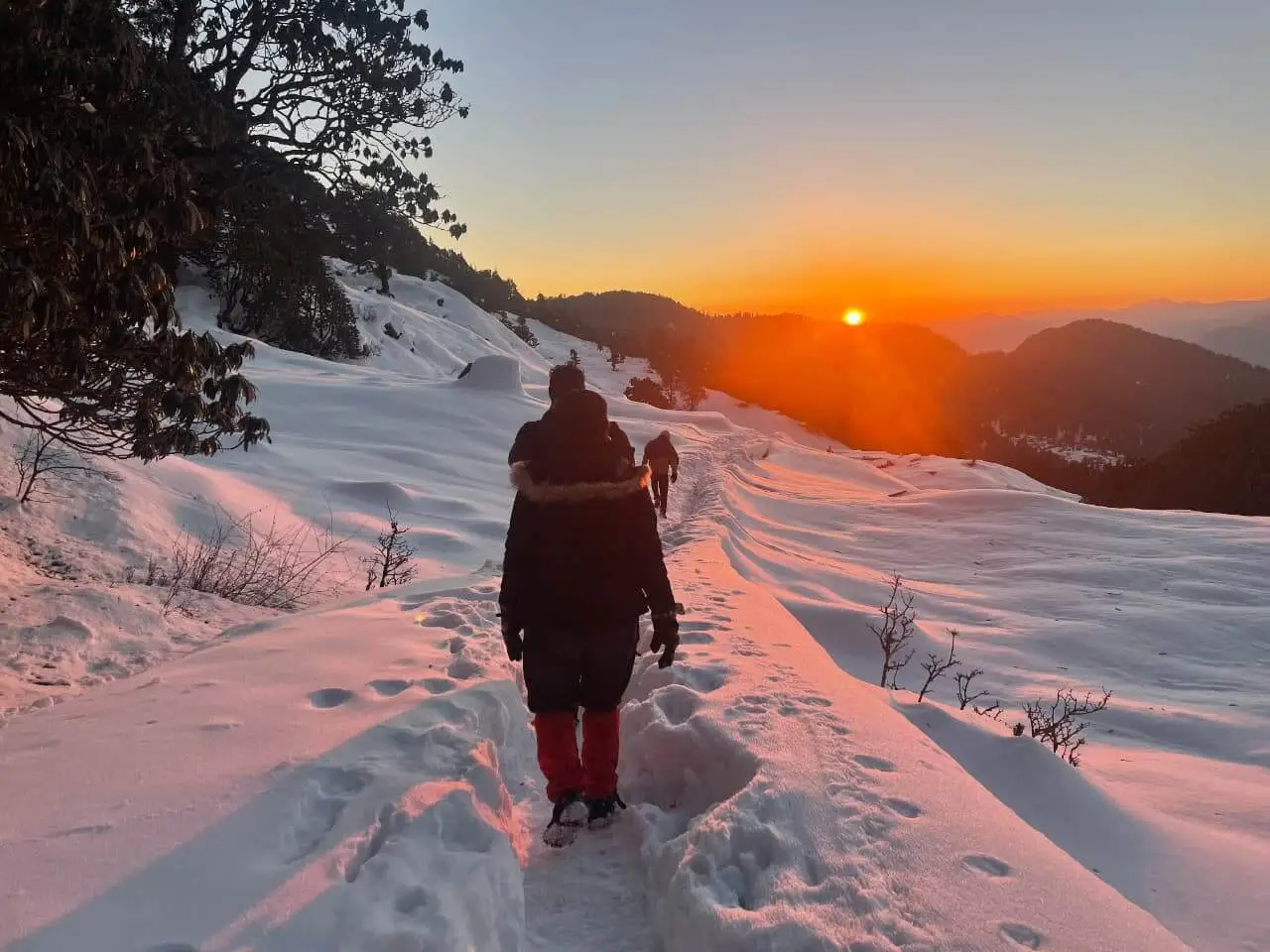
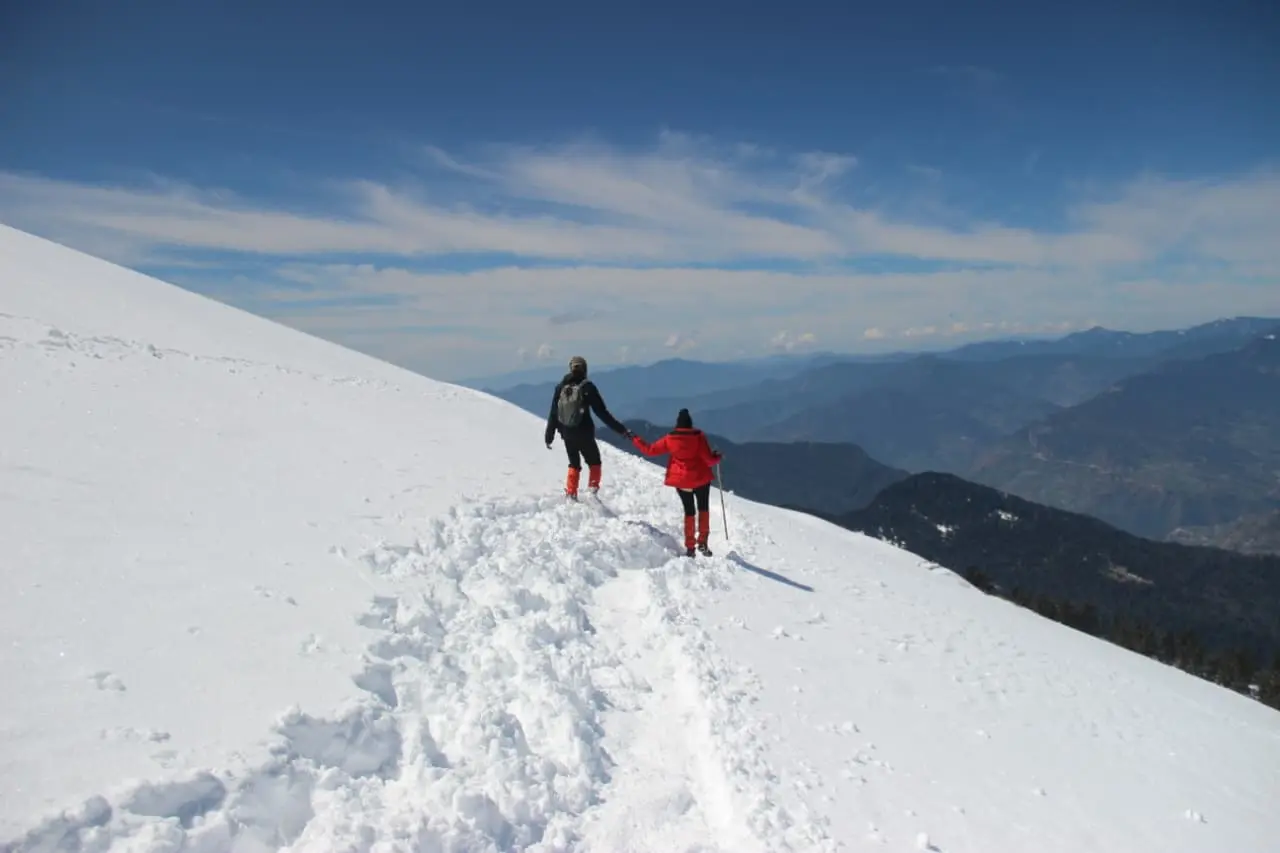
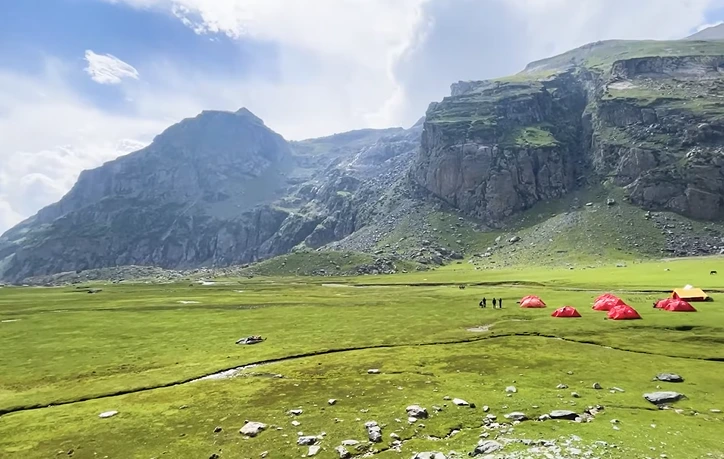
If you’ve been browsing trekking groups this past while, I am willing to bet that you have come across this photo- winding meadows for as far as the eye can see, grassy plains extending tirelessly into snow-tipped summits, some horses sprawled out lazily in between… Nine times out of ten, this picture was taken in the month of July. And once you have had your own trek across Dayara Bugyal  during this identical period, you will see why it is so frequently posted.

At Mountain Hikers, we get a lot of questions every year around June-end and early July: “Is Dayara Bugyal open in monsoon?”, “Will it rain the whole time?”, “Is it even worth it compared to October?” Short answer — yes, it’s absolutely worth it, but it’s a completely different trek than the one you do in winter or autumn. This blog is our honest, no-fluff guide to doing the Dayara Bugyal trek in July, written from actual trail experience, not guesswork.

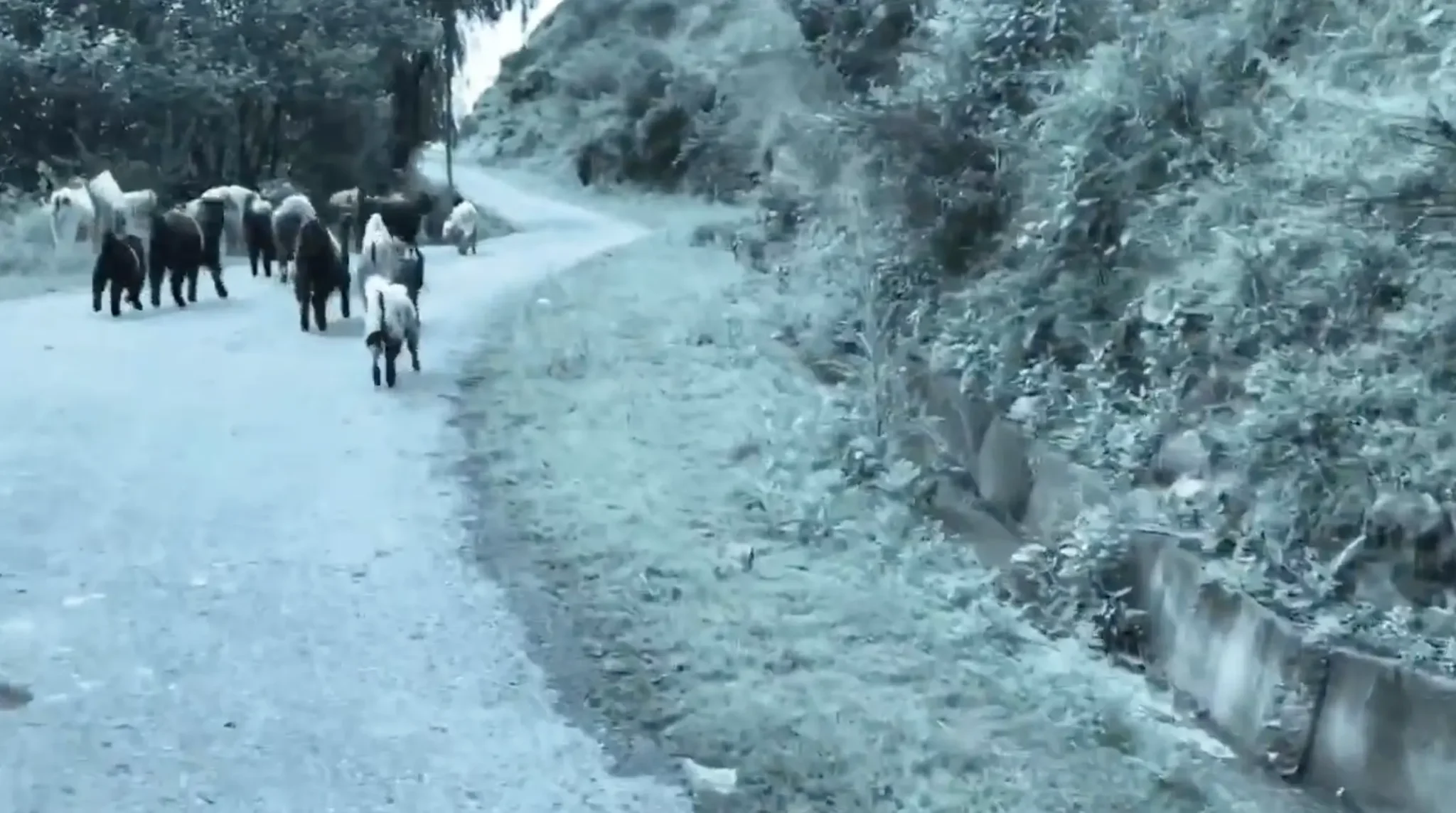
Dayara Bugyal Cattles

What Makes Dayara Bugyal Special in the First Place

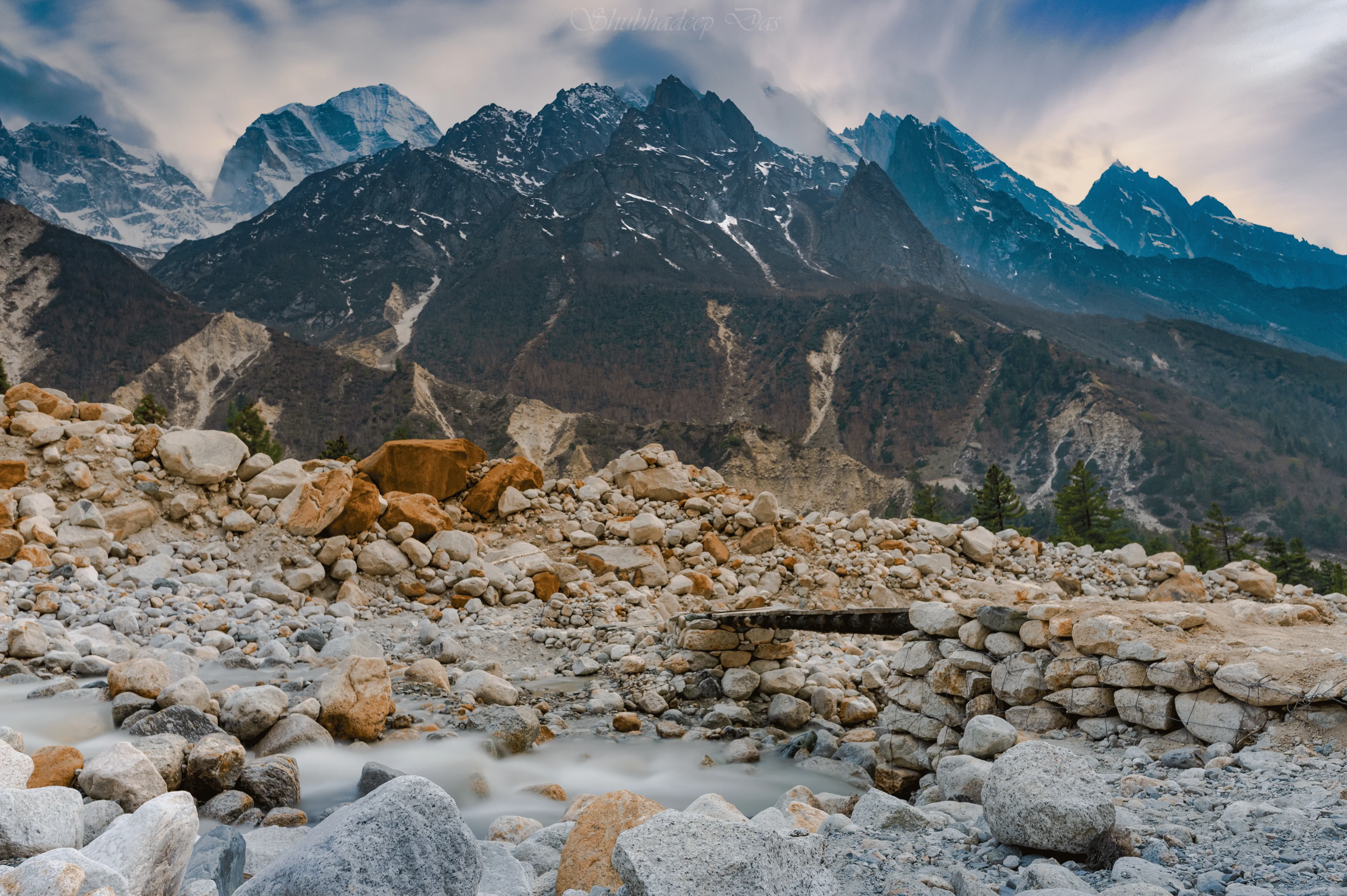
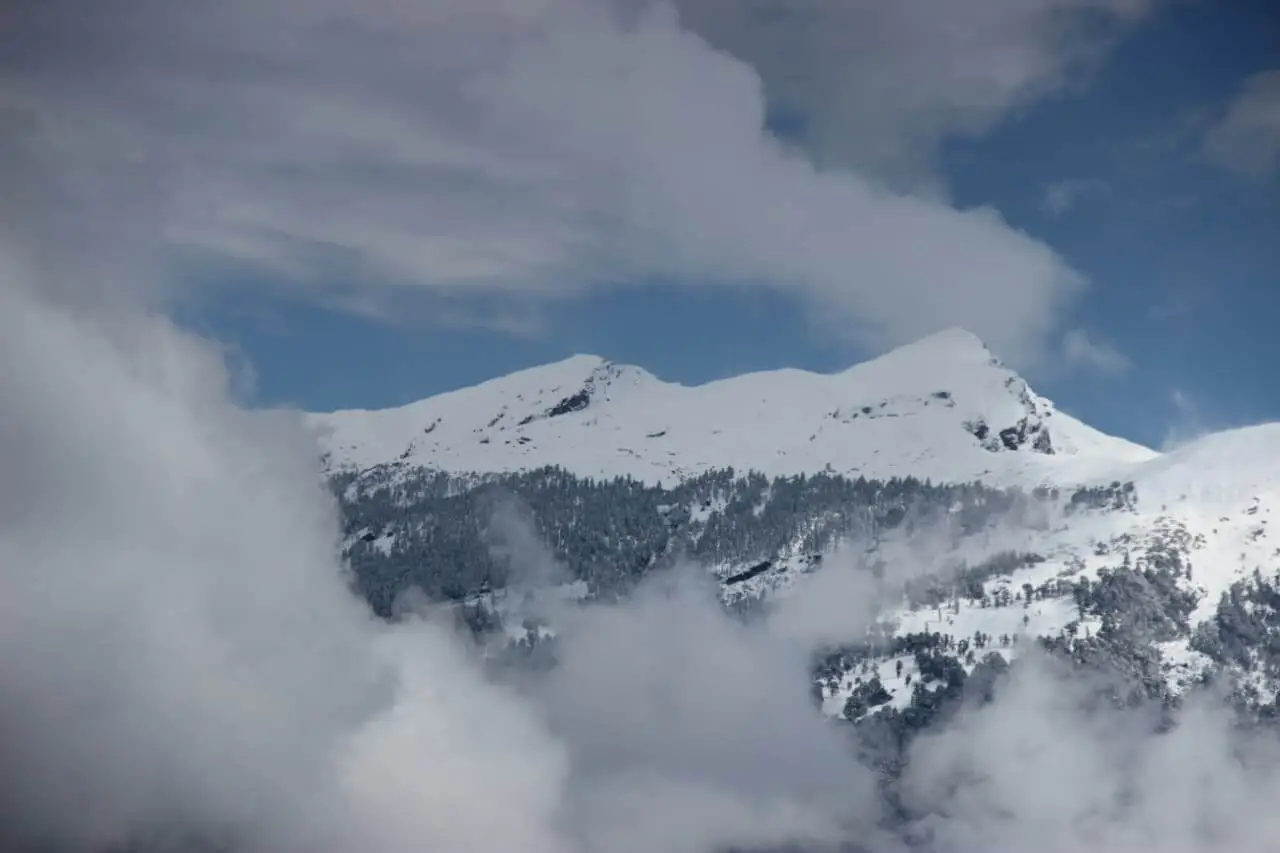
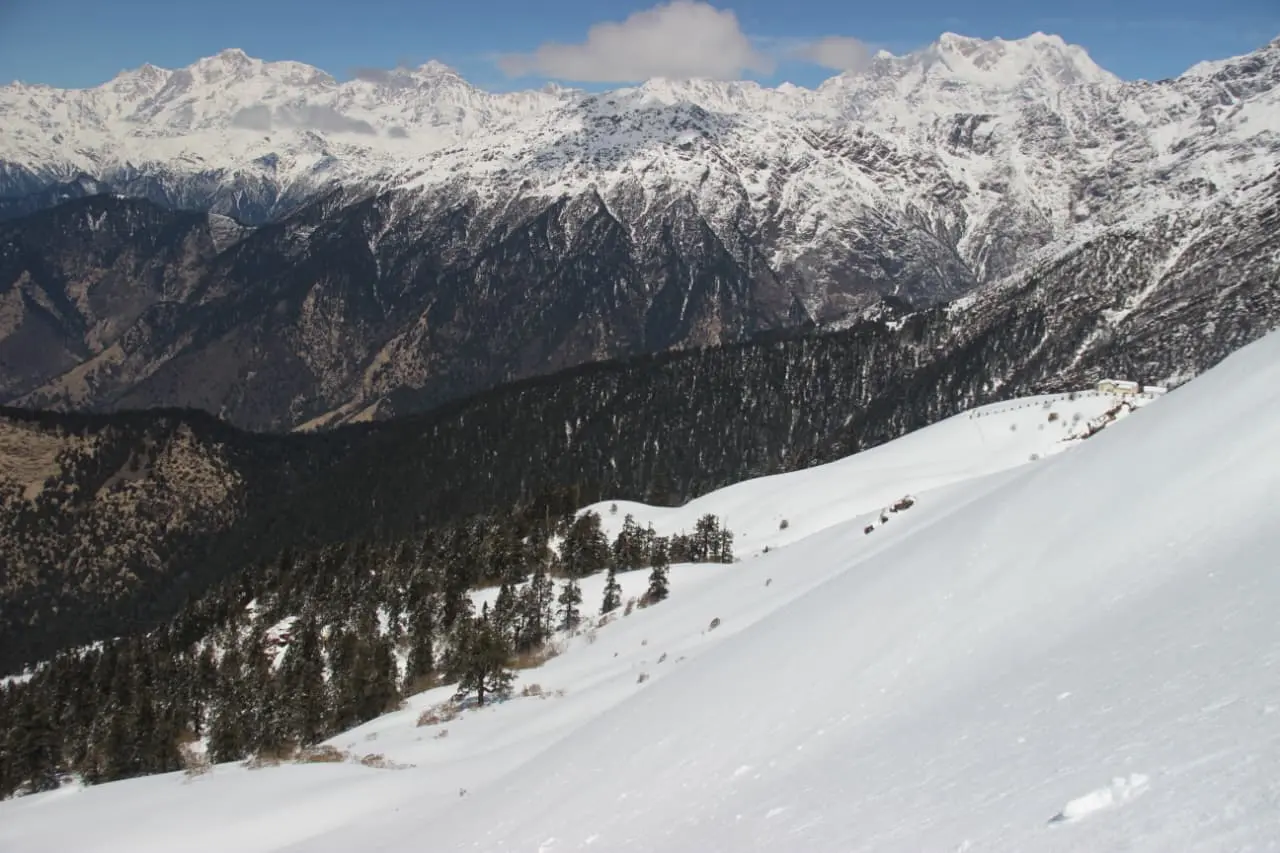
Dayara Bugyal, in the district of Uttarkashi in the state of Uttarakhnd, is believed to be one of the largest bug you available above the high levels or the meadows of the Garhwal Himalayas. Located at the height of about 3,048 meters(10,000 feet) it a height which does not scare the tourists but at the same time gives them the true feeling of Himalayan experience in the hope of sighting Bandarpoonch, Black Peak, The Gangotri group and the Kala Nag (if on an optimized day).

It’s also one of those few treks that doesn’t merciless to the novice mountaineer. It’s a manageable gradient, especially considering Himalayan standards, the tracks are easy to follow and the list length of the trek (around 12-14 km one way depending on where you start it from) makes it easy to pack into a long weekend.

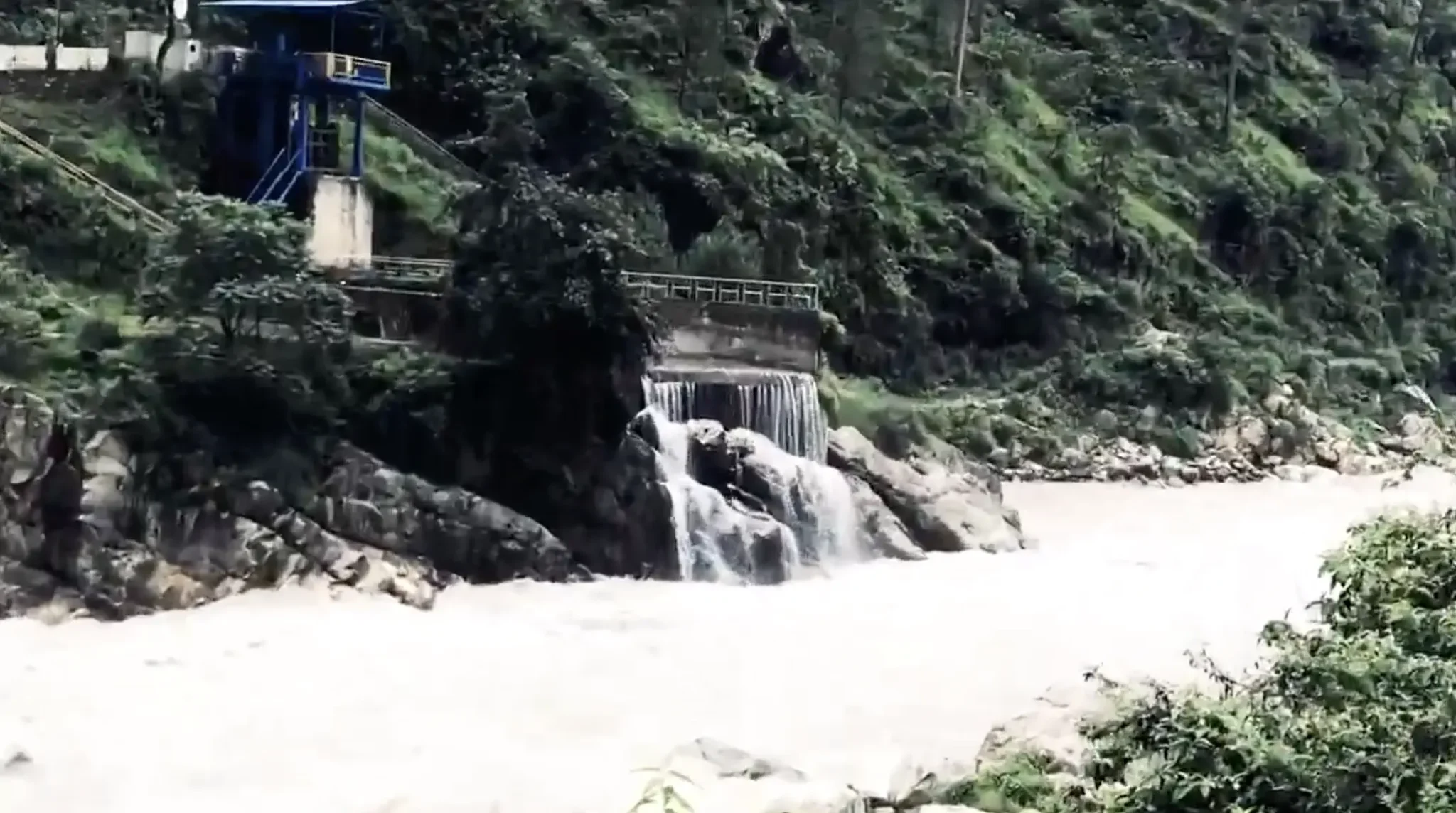
Dayara Bugyal Waterfall Scene

So Why Trek Dayara Bugyal Specifically in July?

This is the one we’re asked the most, so let’s put it into proper perspective.

Suddenly the meadows seem other-worldly.

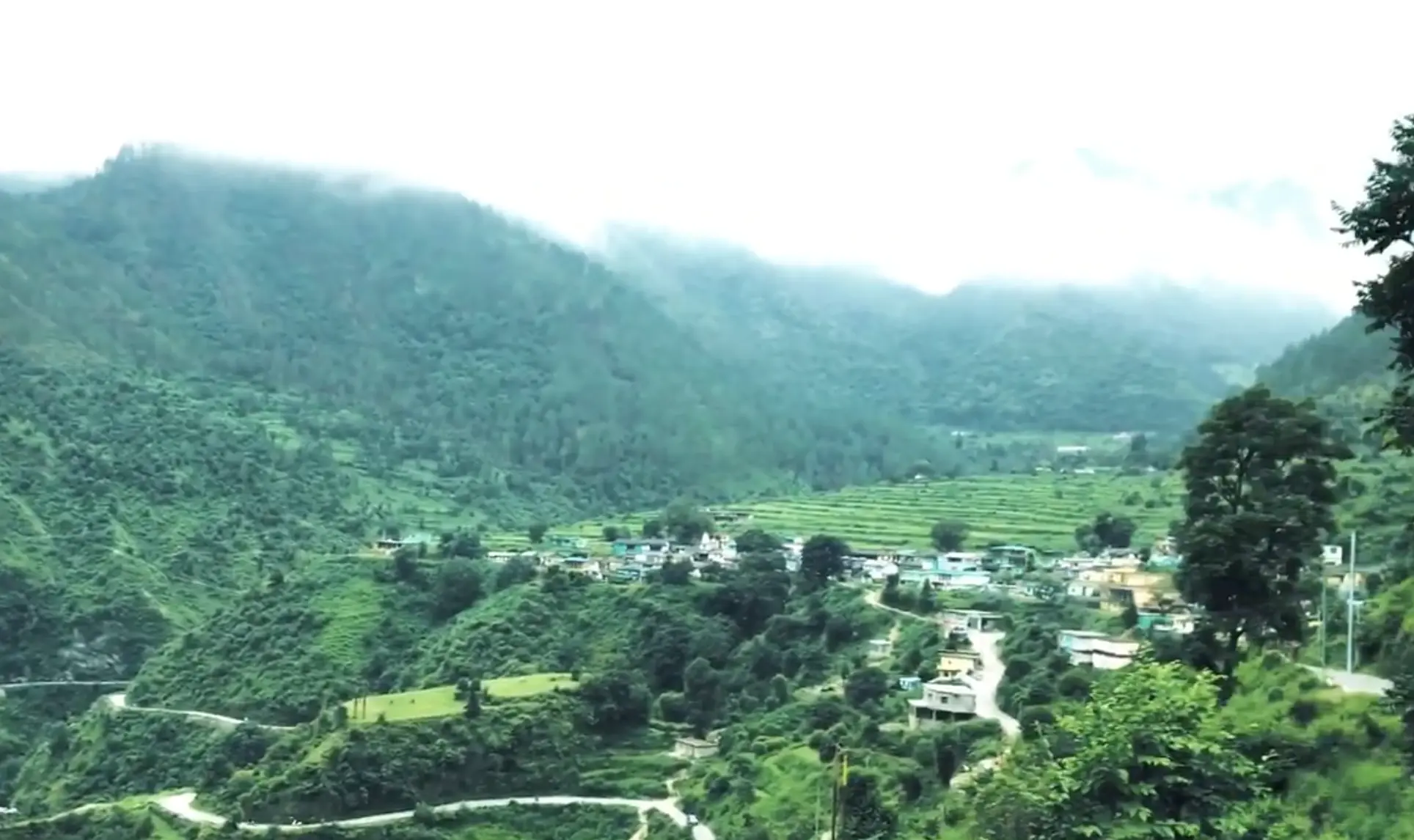
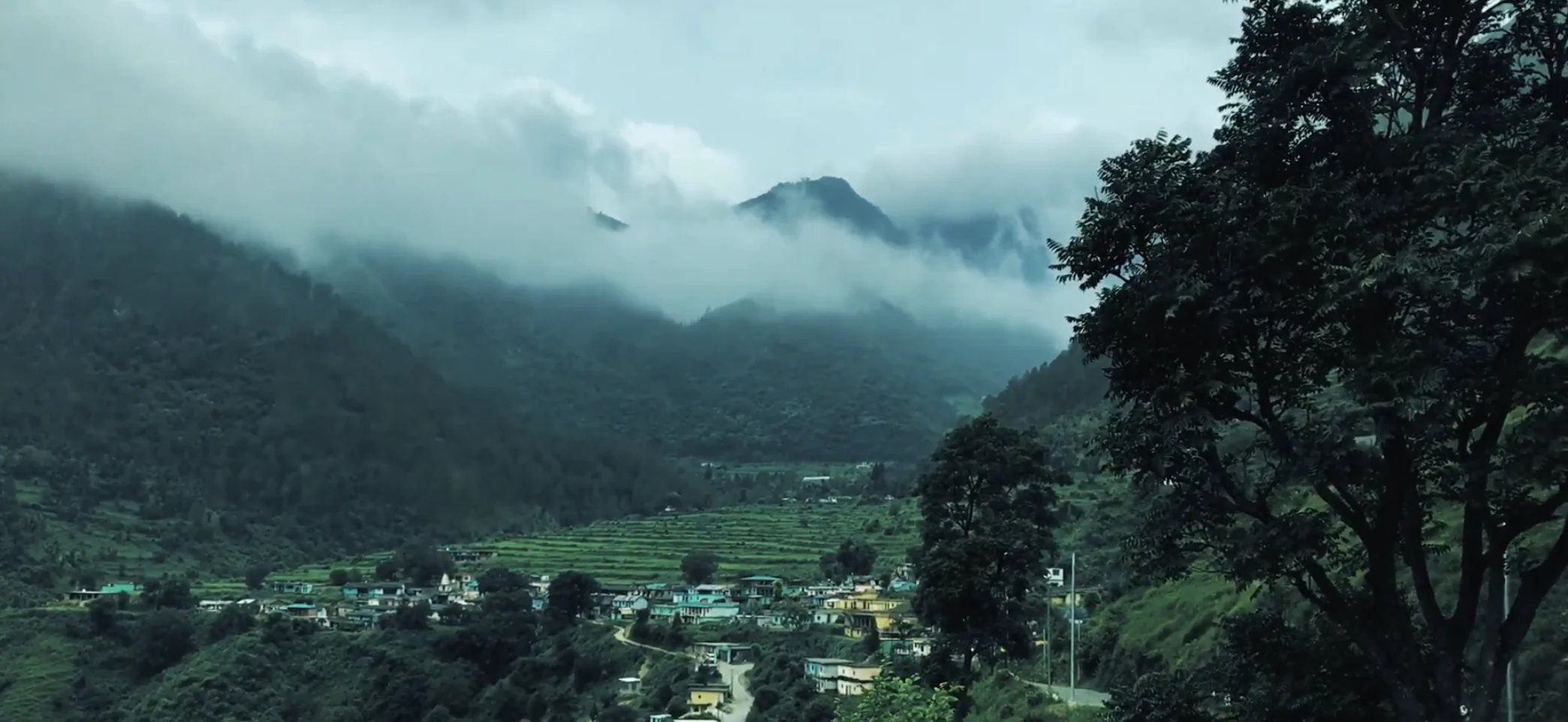
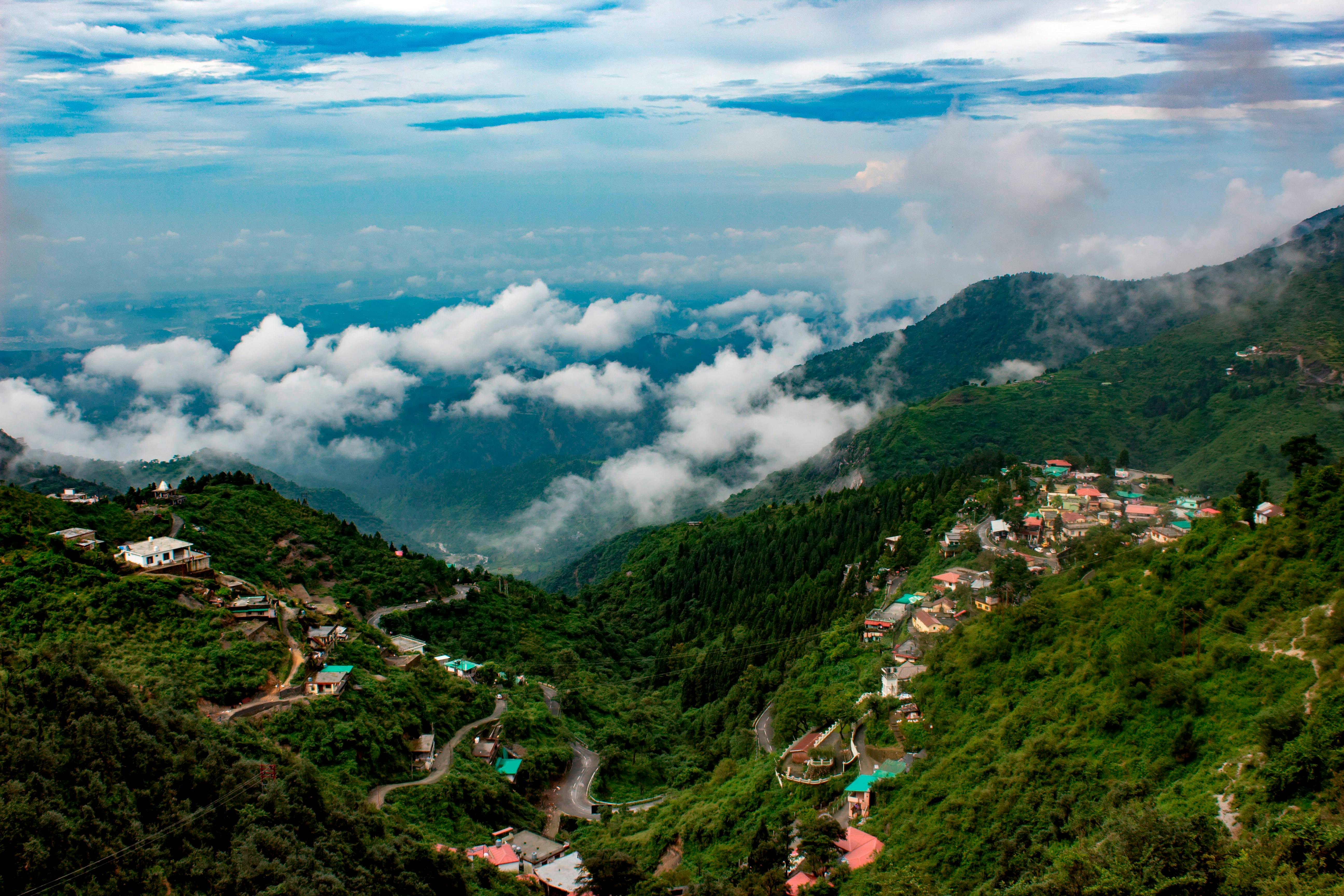
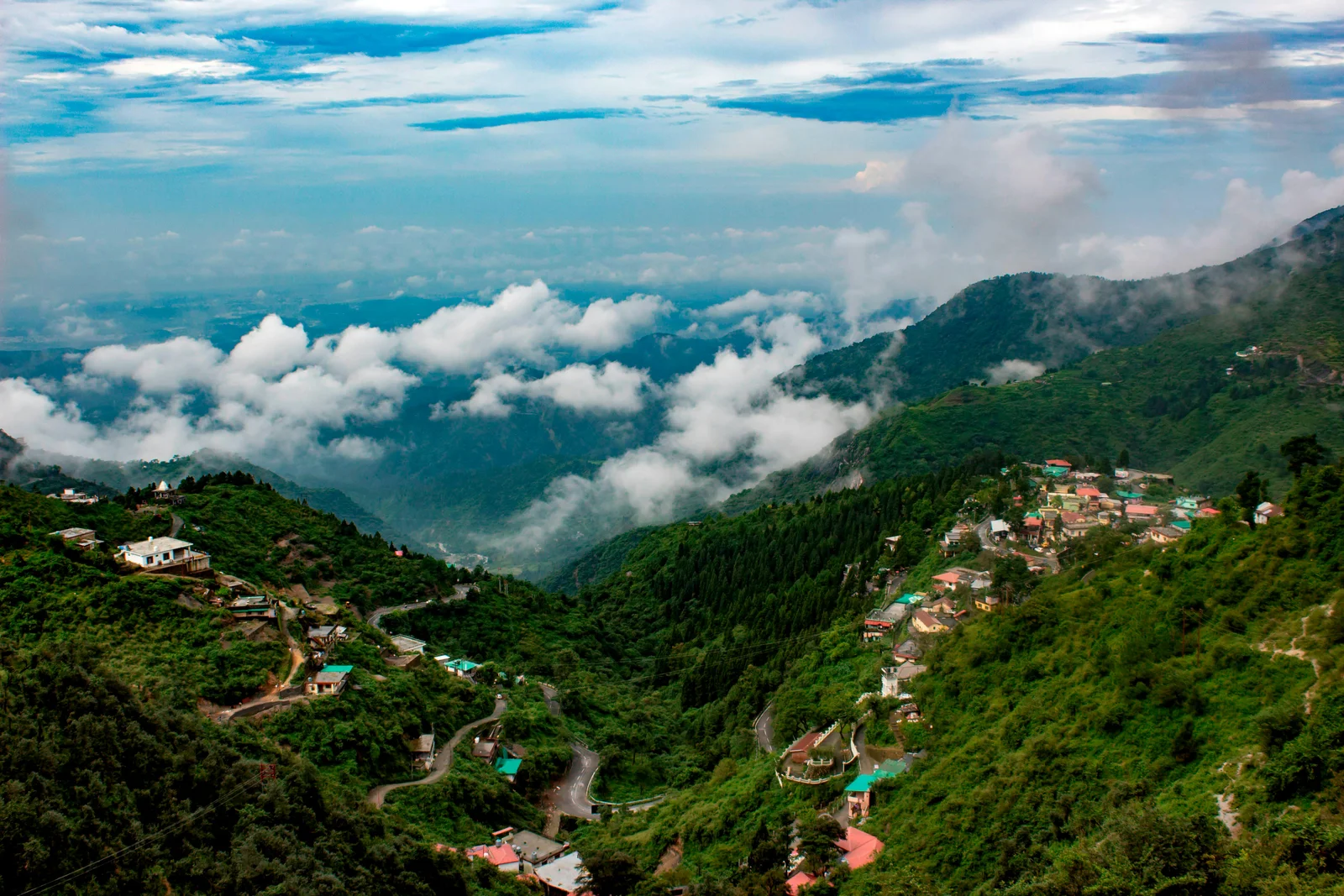
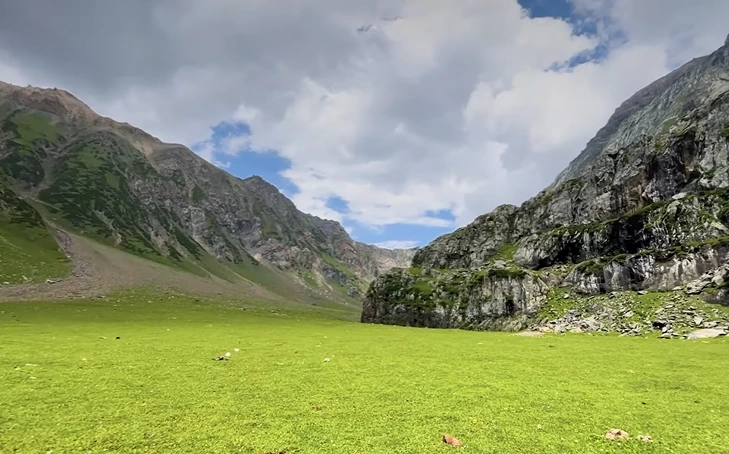
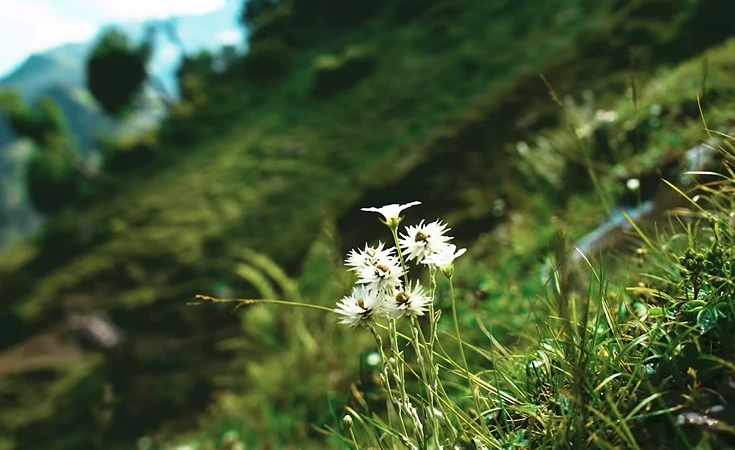
July is smack bang in the beginning of the Monsoon season in this part of the world, meaning the bugyal is at its peak of liveliness. The grass isn’t simply green it’s the kind of lush deep green that never fails to remind you of Switzerland or Scotland on a postcard. Here’s also the time for tussock-like blooms and wildflowers: itty-bitty yellow and purple patches appearing across the meadows which just can’t be found during the winter dry period.

Less busy than during peak season. The months of April-May and September-October are the months when more and more people go for Himalayan trekking. For most the Western travelers, July used to be the month of monsoons and they prefer to avoid trekking in this month. But this is an advantage for you if you wish to have the quiet trails all for yourself along with a field of your own.

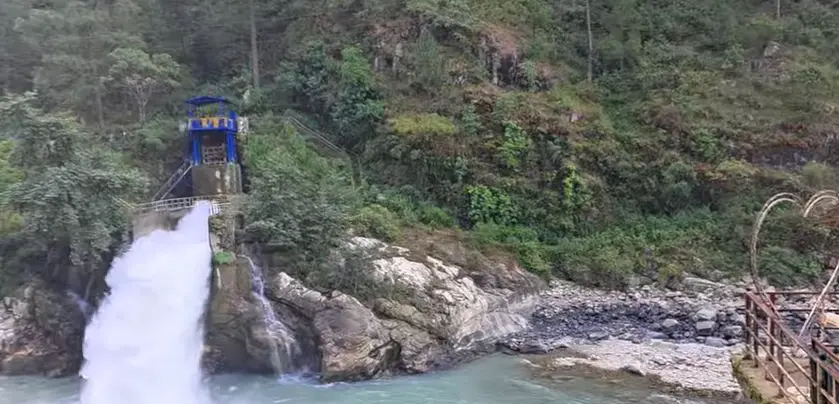
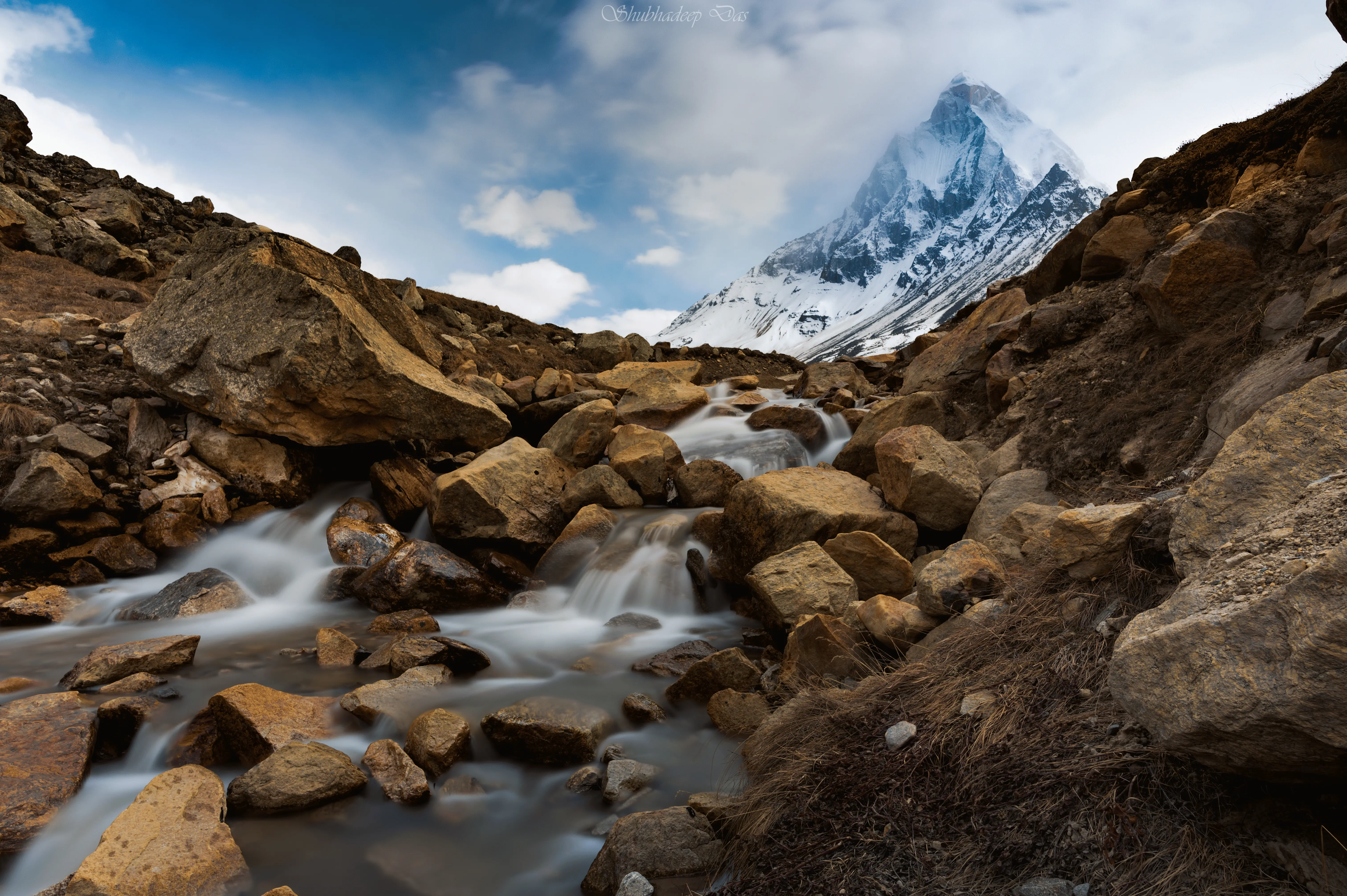
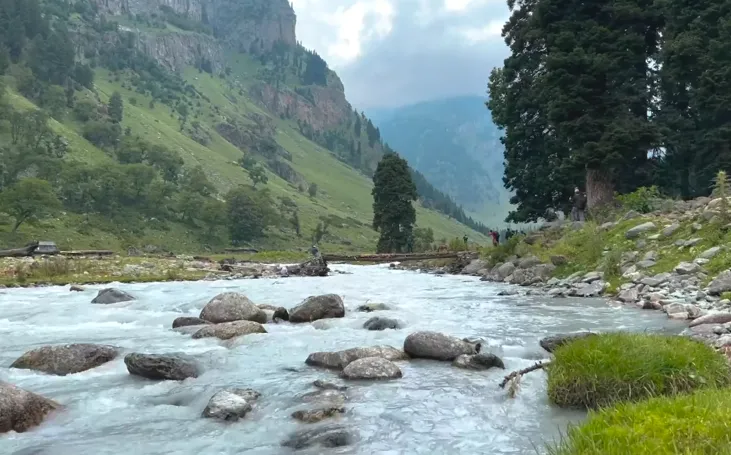
Waterfalls and streams come alive. The Bhagirathi region’s smaller streams, usually thin trickles in dry months, swell up nicely during July. You’ll cross a few gushing little water crossings on the way that simply don’t exist in October.

It’s genuinely cooler. While the plains are suffocating under July heat, Dayara Bugyal sits comfortably between 10°C and 20°C depending on the time of day. It’s one of the better Uttarakhand monsoon treks for escaping the heat without dealing with heavy snow logistics.

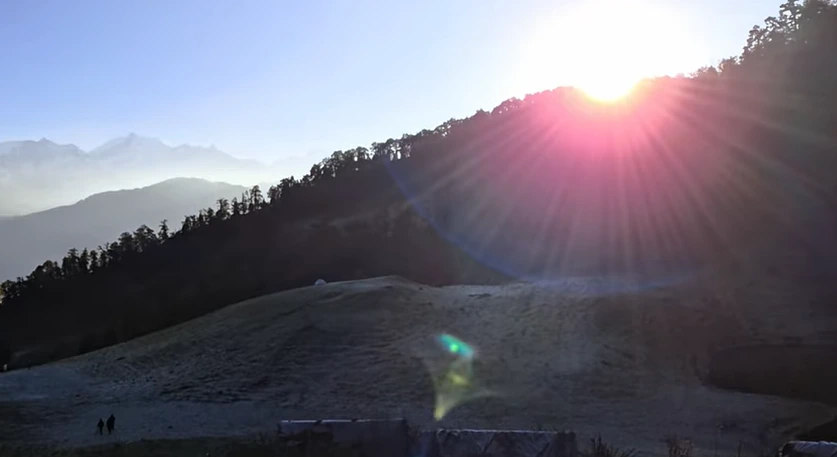
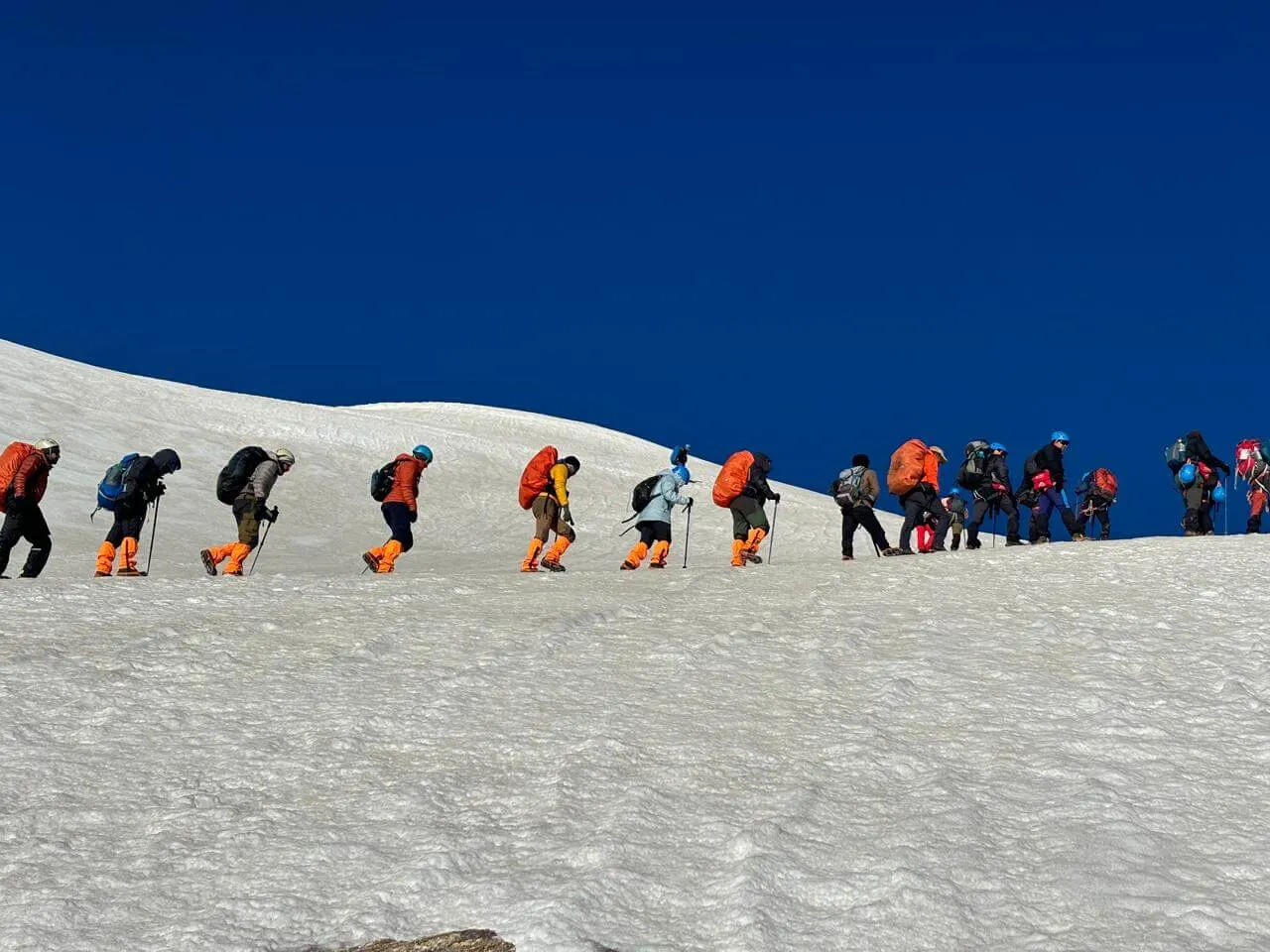
Dayara Bugyal Trek Package By Mountain Hikers . Good Morning

The Honest Downsides You Should Know About

We’re not going to sugarcoat this — a Mountain Hikers trek is built on giving you the real picture, not a sales pitch.

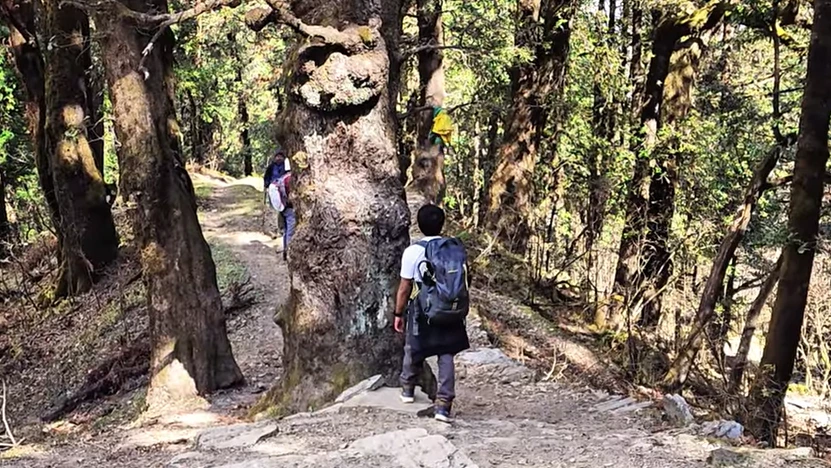
July means rain, and rain means a few things to plan around. Trails can get slippery, especially the forested stretches before you hit the open meadow. Leeches are a real possibility in the lower, denser forest sections — not dangerous, just mildly unpleasant if you’re not prepared. Visibility can occasionally get patchy when clouds roll in, so you might not get that postcard Bandarpoonch view on every single day of your trek. And because this is the rainy season, road conditions on the drive up to Barsu or Raithal (the usual base villages) can be a bit bumpy, sometimes literally.

None of these are deal-breakers. They’re just things you pack and plan for, which we’ll get into below.

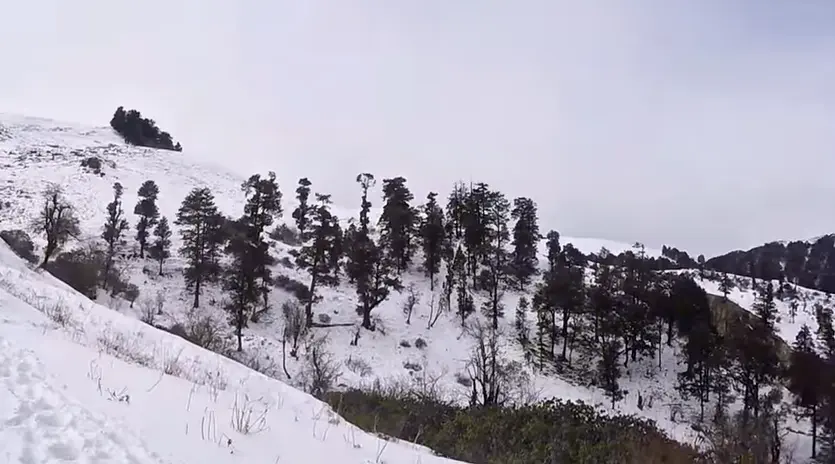
Dayara Bugyal Trek Package

Best Route for the Dayara Bugyal Trek in July

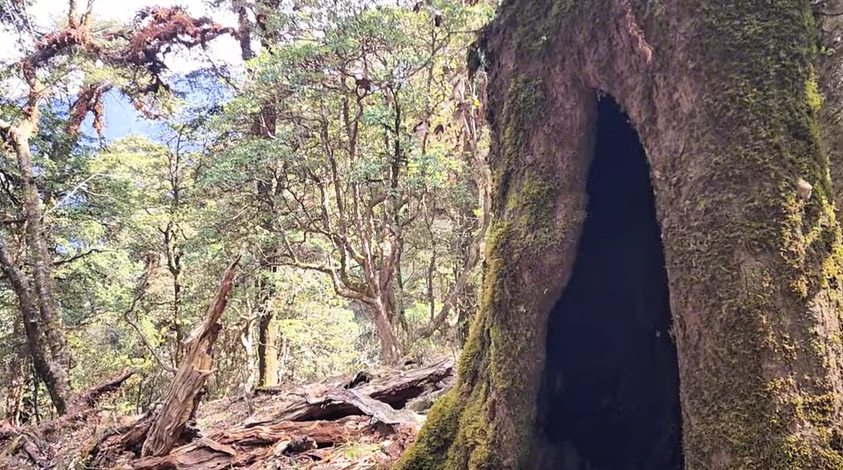
There are two commonly used starting points: Barsu and Raithal, both small villages near Uttarkashi. Raithal tends to be slightly less crowded and has a more gradual ascent through oak and rhododendron forest, while Barsu is a touch shorter but steeper in parts.

A typical July itinerary with Mountain Hikers looks something like this:

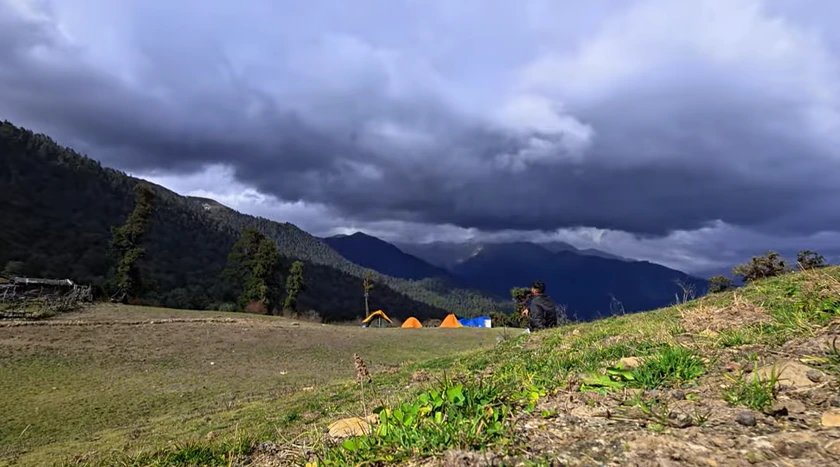
Day 1 is travel; Dehradun or Rishikesh to Sangam Chatti or Raithal village, roughly a 7-8 hour drive depending on road conditions, which can stretch a little during monsoon. Day 2 takes you from the village up through forest trail to Gui Camp or Chilapada, your first camping spot, usually a 5-6 hour walk through dense, drippy, beautiful forest. Day 3 is the big one; Gui to Dayara Bugyal meadow itself, with time to explore the top viewpoint, before heading back down to a lower camp the same day or the next morning. Day 4 wraps things up with the descent back to the village and the drive back to Dehradun.

Some itineraries stretch this to five days with an extra acclimatization or exploration day, which we genuinely recommend if your schedule allows it; there’s a quieter upper meadow section most people never bother walking to, and it’s worth the extra hour.

What to Pack for a July Trek to Dayara Bugyal

This is where July trekking really differs from any other season, so pay attention here.

A good quality rain jacket is non-negotiable; not a cheap poncho, an actual breathable trekking rain shell. Pair it with a rain cover for your backpack, because a soaked sleeping bag at 10,000 feet is nobody’s idea of fun. Quick-dry trekking pants will save you a lot of misery compared to cotton, which stays wet for hours once it’s soaked.

For footwear, waterproof trekking shoes with good grip are essential, and we’d strongly suggest carrying an extra pair of socks per day; wet feet are the number one complaint we hear from July trekkers who didn’t plan for it. Gaiters help a lot too if you’re worried about leeches or mud splashing up your shins.

Don’t skip a basic first aid kit with anti-leech spray or tobacco/salt (the old-school trick still works), a headlamp with spare batteries, a couple of dry bags or large ziplocks to keep your phone, documents, and spare clothes dry inside your backpack, and a lightweight thermal layer for the evenings, since temperatures can drop quicker than you’d expect once the sun’s behind the clouds.

Difficulty Level — Is Dayara Bugyal Trek Good for Beginners in July?

Yes, and this is one of the real advantages of this trek. The altitude gain is quite gentle, no technical climbing required, and the distances walked each day are quite reasonable for someone with reasonable fitness-think of it as walks or a light run a couple of times a week.

That said, July introduces an extra challenge that would not show up on any difficulty scale: the trail often gets muddy and slicker than in the dry season, which could slow you down naturally, and on the way down you have to pay little more attention to where you’re putting your feet. If it’s your first time trekking in the rain, this would be a great introduction.

Frequently Asked Questions

Is Dayara Bugyal open for trekking in July?

Yes, it’s open and is actually a popular trekking option during the monsoon in Uttarakhand. You can usually get forest permits from registered trekking operators. The trail itself remains open during this time.

Not every single day, but you should expect rain on most days, typically in short spells rather than continuous downpours. Mornings tend to be clearer, with clouds and rain building up by afternoon — so an early start each day genuinely helps.

In the lower forested sections, yes, leeches are common during monsoon. They’re harmless but annoying. Anti-leech socks or a simple salt/tobacco rub on your shoes and socks keeps them away effectively.
Daytime temperatures generally range between 12°C and 20°C, while nights at the campsite can dip to around 8-10°C. It’s noticeably cooler and more comfortable than the heat down in the plains.

A lot of women who like to trek by themselves do this route. This is especially true when they are with a group that has a company like Mountain Hikers to take care of them. When you are with Mountain Hikers you are never really walking by yourself because there is always someone with you. This person is a guide. There are other people who help the group too. So women who like to trek by themselves like to do this route, with Mountain Hikers because they know Mountain Hikers will take care of them.

Most people complete it comfortably in 4 days including travel, though a 5-day version with an extra exploration day at the meadow gives you a much less rushed, more enjoyable experience.
Yes. It’s widely considered one of the best easy-to-moderate Himalayan treks for first-timers, and the July season doesn’t change the difficulty level much — it just adds the need for proper rain gear.

Both work well. Raithal offers a gentler, longer forest walk and slightly fewer crowds, while Barsu is a touch steeper but shorter. Either choice gets you to the same stunning meadow.

Network is patchy to non-existent once you’re past the base village, so it’s worth informing family beforehand and treating this as a proper digital detox for a few days.
Early morning, generally before 9-10 am, gives you the best chance of catching a clear view of Bandarpoonch and the surrounding peaks before clouds typically roll in during a July trek.

A Few Tips From Our Guides at Mountain Hikers

Carry a couple of extra plastic bags — not glamorous advice, but incredibly useful for separating wet clothes from dry ones at the end of each day. Eat warm food whenever it’s offered at camp; your body burns through more energy in cold, damp conditions than you’d think. Don’t rush the descent on muddy stretches — most minor injuries on monsoon treks happen on the way down, not up. And bring a small portable power bank, because a dead phone battery means no photos of that meadow, and trust us, you’ll want photos.

If until now you have only imagined trekking in the Himalaya as a dry-season, clear-blue-sky kind of experience, then a trek to Dayara Bugyal undertaken in July has the potential to really alter your mental image. There’s something strangely unique about trudging through real clouds, gazing at clouds of mist drifting across a sod so green that it defies the imagination and reaching your destination two hours later slightly damp, slightly exhausted and… completely satisfied.

Planning Your Trip With Mountain Hikers

At Mountain Hikers, our July batches for Dayara Bugyal are kept small on purpose — smaller groups move better on wet trails, and our guides genuinely know this route in every season, not just the easy ones. If you’re searching for a short Himalayan trek in July, an easy monsoon trek near Uttarkashi, or simply the best meadow trek in Uttarakhand for a long weekend, this one consistently delivers.

Got questions about gear, fitness prep, or our upcoming July departure dates? Reach out to the Mountain Hikers team directly — we'd rather answer your questions honestly now than have you find out the hard way on the trail.
See you on the meadow.
Mountain Hikers Logo

Find Your Ticket Now

    Share Article:
    Rohit

    Leave a comment

    Your email address will not be published. Required fields are marked *

    ©2026 Mountain Hikers I All Rights Reserved